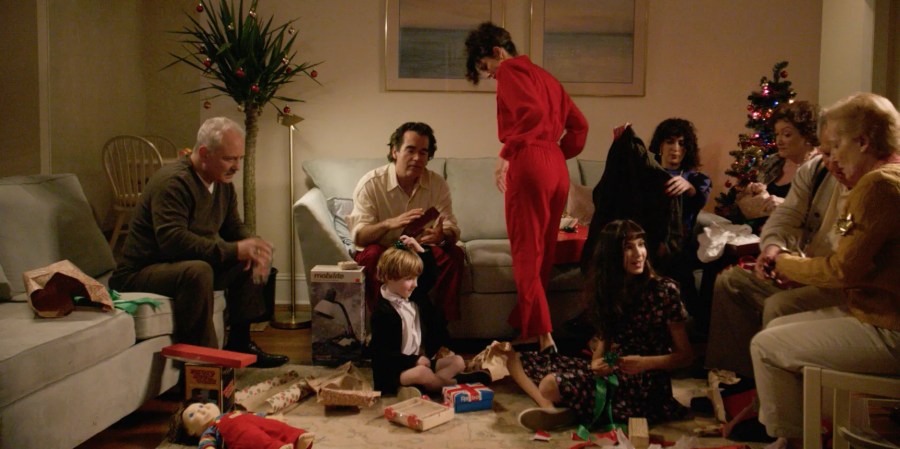
The most underrated component of an actor’s performance: their posture.
Generally, a thespian’s physicality is heralded for either in-your-face movement (think: decisive gestures, facial expressions, etc.), or chameleonic transformations of their entire being (think: Richard III).
But there’s a subtler art to inhabiting the regular, everyday reality of a character’s corporeality, an art that resides firmly in a meticulously embodied posture, a meticulousness that’s so deliberate it can appear to be natural to them (because, you know, it’s natural to their character!).
How a person moves through the world, comports themselves, their disposition and demeanor fundamentally inform not only how they’re perceived, but who they/we are. And there is literally no chance that an actor’s real posture perfectly matches their character’s posture. Posture is like a fingerprint, or a handprint: one might look the same as another on a peripheral glance, but if you barrel into the micro — where truth actually lives! — no two are exactly alike.
For a recent example of such barreling, please consult the forever-homie Brian d’Arcy James’ performance in the new movie The Cathedral. It’s a constant shape-shift that doesn’t scream itself as such; rather, it’s an un-flashy, fully lived-in turn. It’s still clearly ol’ Brian up on that screen, but his body shares as much with his character as it does with his own person.
And that’s freaking acting.
What’s the relationship between posture and an actor’s “presence”, the latter of which can be a core feature of their appeal? I’d say posture is one amongst many factors contributing to an actor’s presence, which is more of a cumulative, ineffable essence comprised of multilayered parts.
 Write All Nite