Does Jamie Lloyd elevate Evita more than any interpreter has ever juiced the original material?
Continue reading “Oh What a Circus”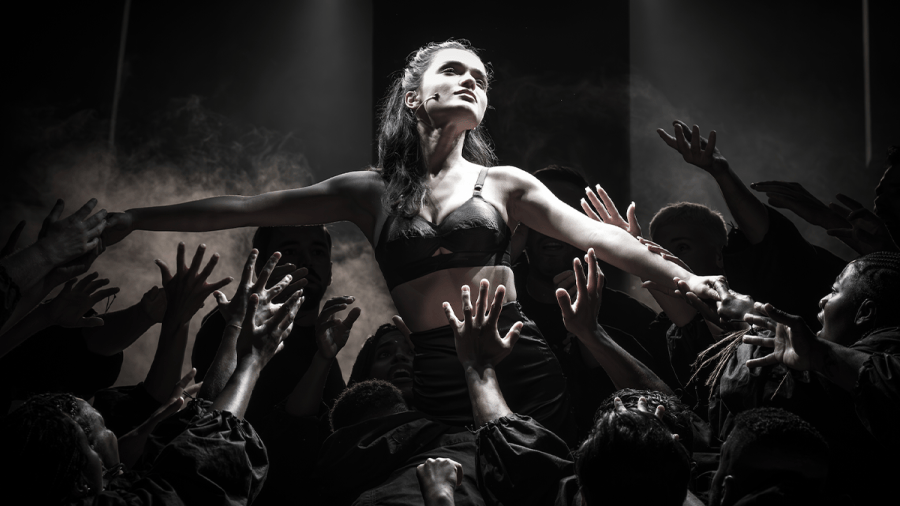
Does Jamie Lloyd elevate Evita more than any interpreter has ever juiced the original material?
Continue reading “Oh What a Circus”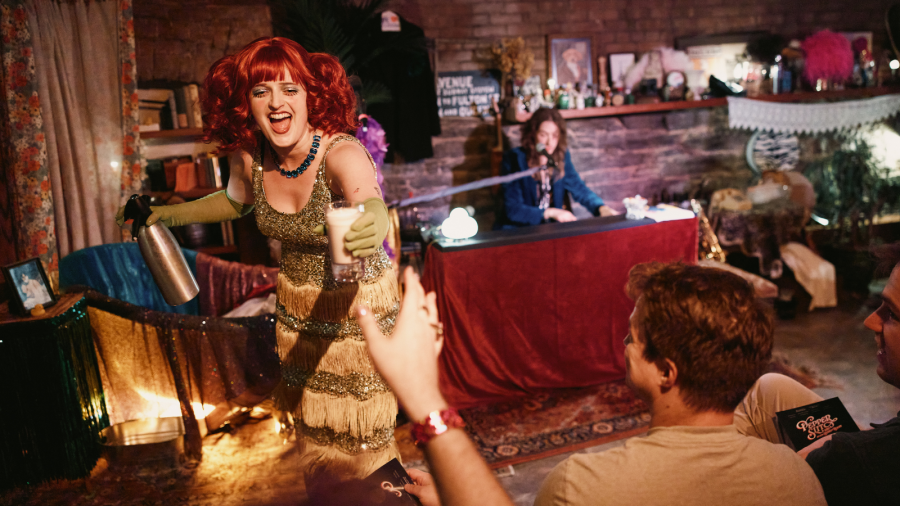
East Village Basement has become a home for living-room theater.
Continue reading “Live in Live”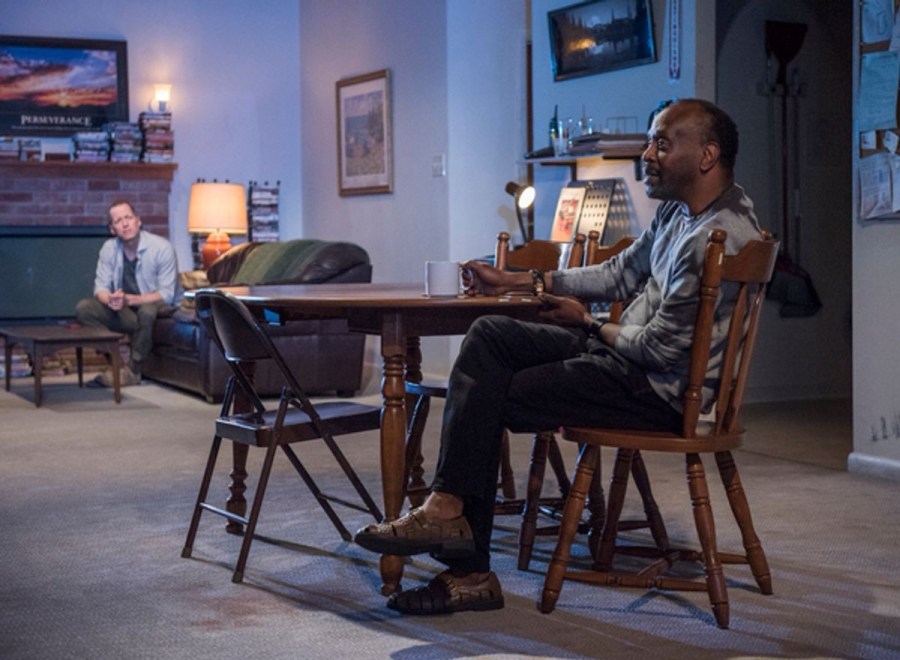
Eyes are more of a central means of expression for screen acting than for stage acting…
Continue reading “From the Window to the Window”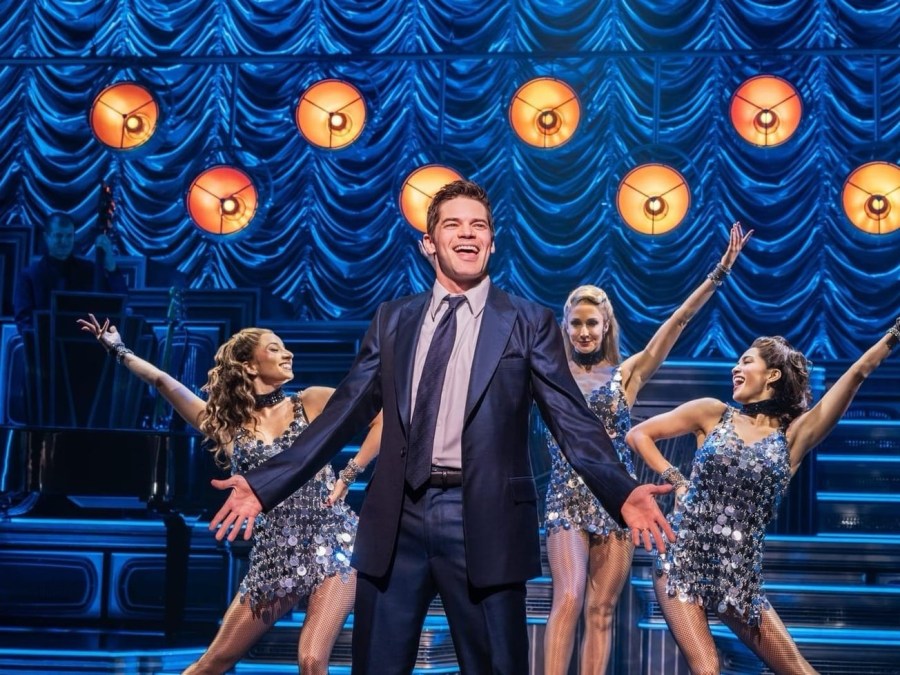
Much has been made of how much Jonathan Groff sweats and spits on stage.
Continue reading “Drenched”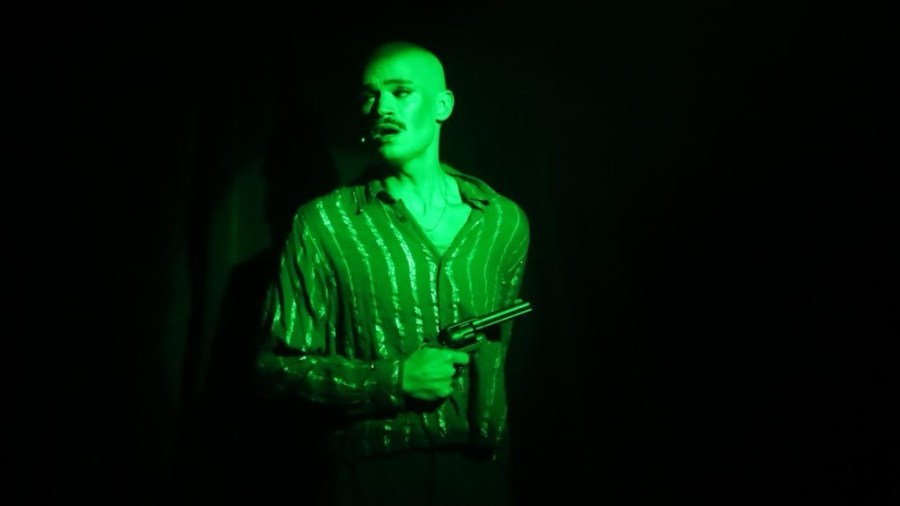
A one-person show of The Silence of the Lambs sounds likeliest to be a spoof.
Continue reading “Fava Beans”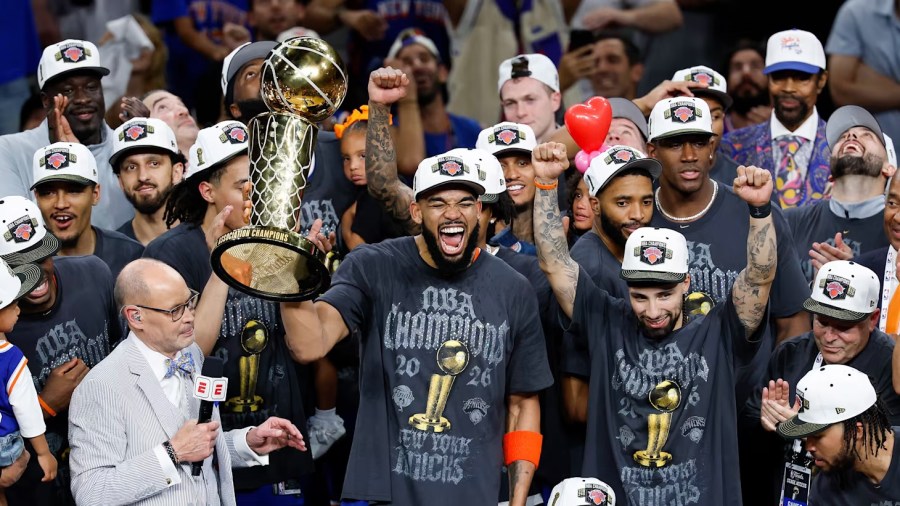
In honor of Knicks Film School’s “Best Moments of the 2026 Knicks Playoff Run” podcast — which ranks the top events from each series (release a poll that pits each winner against the others to crown the best moment!) — I hereby submit my nominees for the Best Moments of the Title Celebrations:
Continue reading “Who Let the Dogs Out”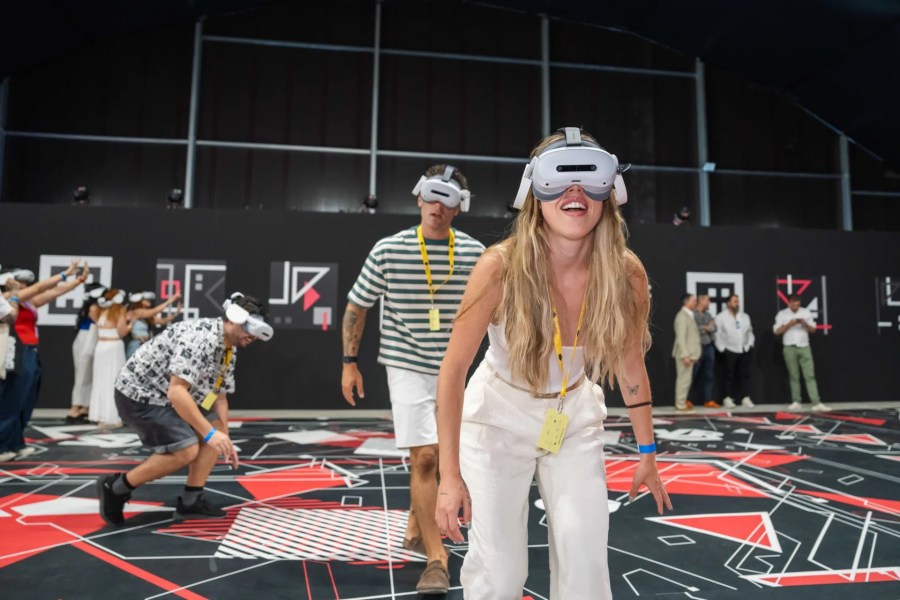
A practical decision can also serve artistic purposes.
Continue reading “Yondramaturgy”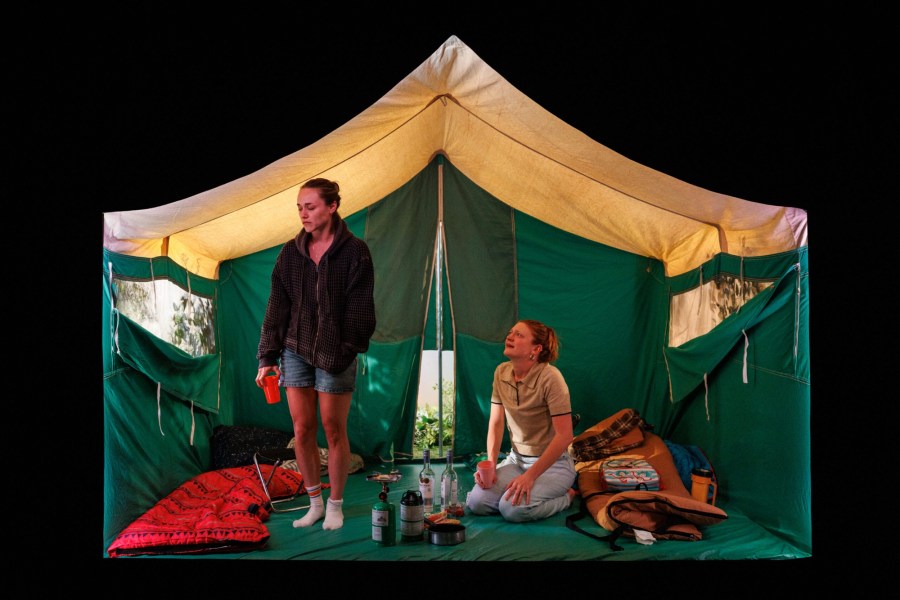
Set design defines the bounds of a show’s world, figuratively and literally.
Continue reading “Tent as Proscenium”
Art owes a debt to humanity for the proliferation of the Wedding Industrial Complex.
Continue reading “One Tricked Pony”
Clubbed Thumb’s motto has long been “funny, strange, provocative.”
Continue reading “Fire Away”
