Ending a story at a point that feels premature can inspire us to consider the message conveyed by this seemingly-incomplete conclusion.
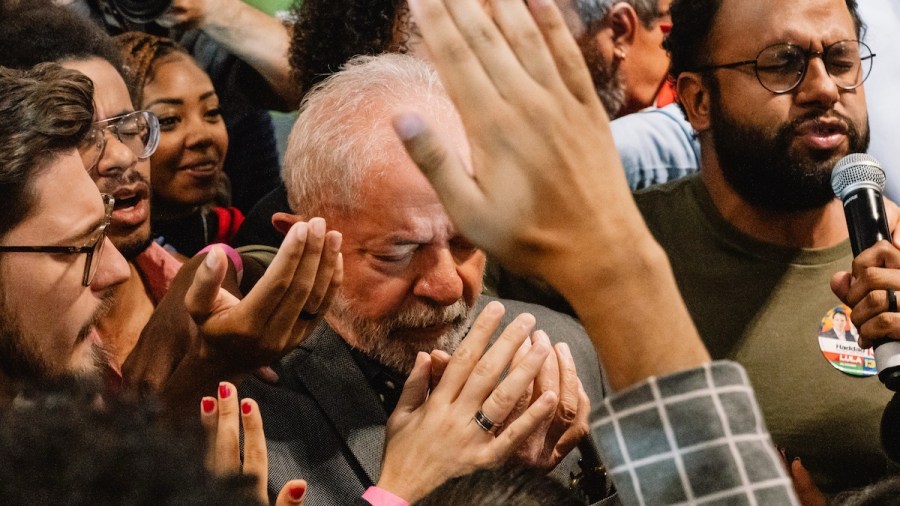
A follow-up to 2018’s Oscar-nominee The Edge of Democracy, Petra Costa’s Apocalypse in the Tropics continues her chronicling of the contemporary history of Brazilian politics. Given its focus on the present day, when this new documentary reaches a triumphant presidential election in 2023, it’s fair to expect at least a few more scenes afterwards about what’s happened between then and now.
Instead, Apocalypse in the Tropics concludes with a climactic uprising from shortly after the ballots were counted, largely eliding the intervening two years.
Regardless of what happened — and happens — next, these forces are quite literally already inside our highest houses of power, suggesting that secular democracy is doomed to fall to the past/present/future hegemony of religion.
And yet, if the majority no longer want a secular democracy, wouldn’t proponents of democracy be forced to believe that democracy should no longer be the rule of law for that populace?
Costa’s voiceover offers a counter-argument: it’s a democracy’s responsibility — for the strength and health and well-being of itself — to defend the minority from the eradicating desires of the majority, because democracies rely on diverse perspectives, of both the majority and the minority.
Or, to quote Robert Reich’s advice for all democracies in The Last Class:
“Protect the dissident voices.”
Petra could spend the rest of her career making documentaries about Brazilian politics.
And every other country deserves their own Petra.
 Write All Nite