An actor’s natural physique obviously informs their performances.
Continue reading “Embodied”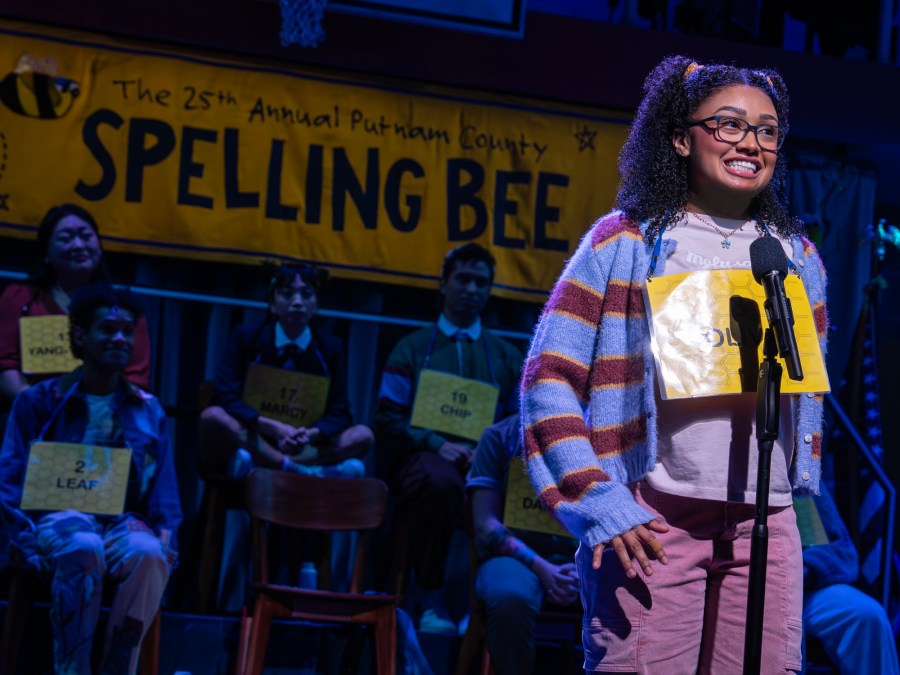
An actor’s natural physique obviously informs their performances.
Continue reading “Embodied”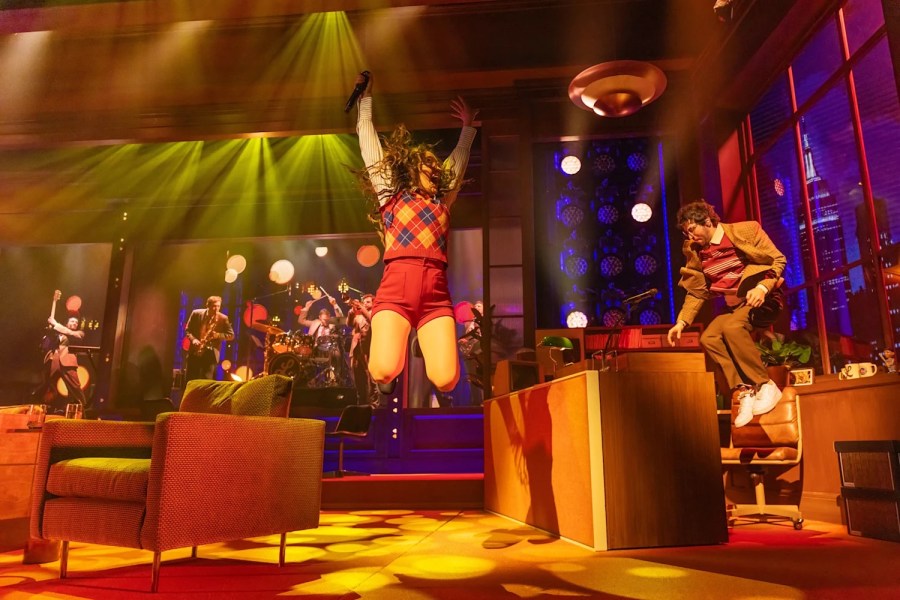
Simon Rich’s All franchise specializes in pulling a fast one on audiences.
Continue reading “All Over”
An initially-confounding staging choice can interpretatively convey a seemingly-essential message of the show.
Continue reading “Everything is Staged”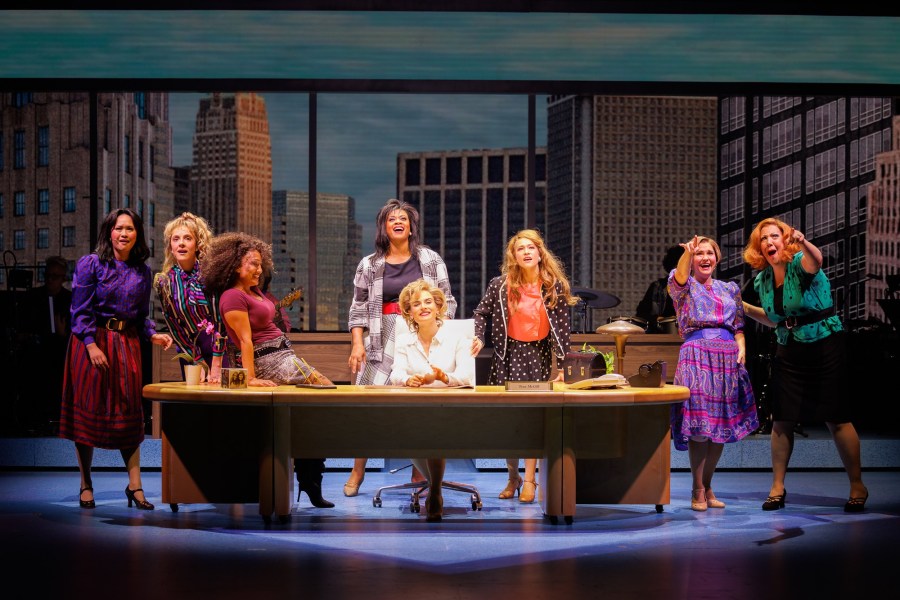
Accusing the second half of a musical as being worse than the first is such a cliché that The Producers could satirize the sentiment with one of my favorite jokes in the show.
Continue reading “Dazeem”
Magic shows are a theater trend on par with IP parody musicals, stand-up comedy plays, multi-performance staged readings, etceteras.
Continue reading “No You Don’t”
In theory, all theater is site specific.
Continue reading “Specific to the Site”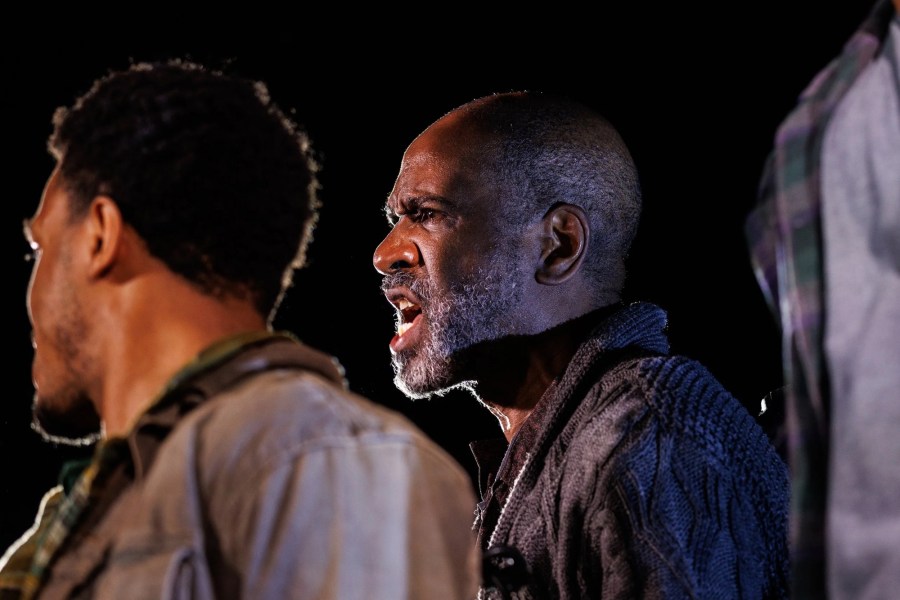
Curtain-calls function as a natural transition between the production’s constructed reality, and our IRL reality that’s waiting for us as soon as the lights come up.
Continue reading “Left Hanging”
Talking about dance can be like talking about sex:
Continue reading “Pas de Deuxs”
Kyoto fits snugly in the worn formula of a character guiding us through a historical event and their personal role in it.
Continue reading “Exit Through the Lobby”
oh, Honey and Inter Alia revolve around the same central premise:
Continue reading “Doubling” Write All Nite