In theory, all theater is site specific.
Continue reading “Specific to the Site”
In theory, all theater is site specific.
Continue reading “Specific to the Site”
Curtain-calls function as a natural transition between the production’s constructed reality, and our IRL reality that’s waiting for us as soon as the lights come up.
Continue reading “Left Hanging”
Talking about dance can be like talking about sex:
Continue reading “Pas de Deuxs”
Oscars season has become print season.
Continue reading “Sell the Cell”
Kyoto fits snugly in the worn formula of a character guiding us through a historical event and their personal role in it.
Continue reading “Exit Through the Lobby”
oh, Honey and Inter Alia revolve around the same central premise:
Continue reading “Doubling”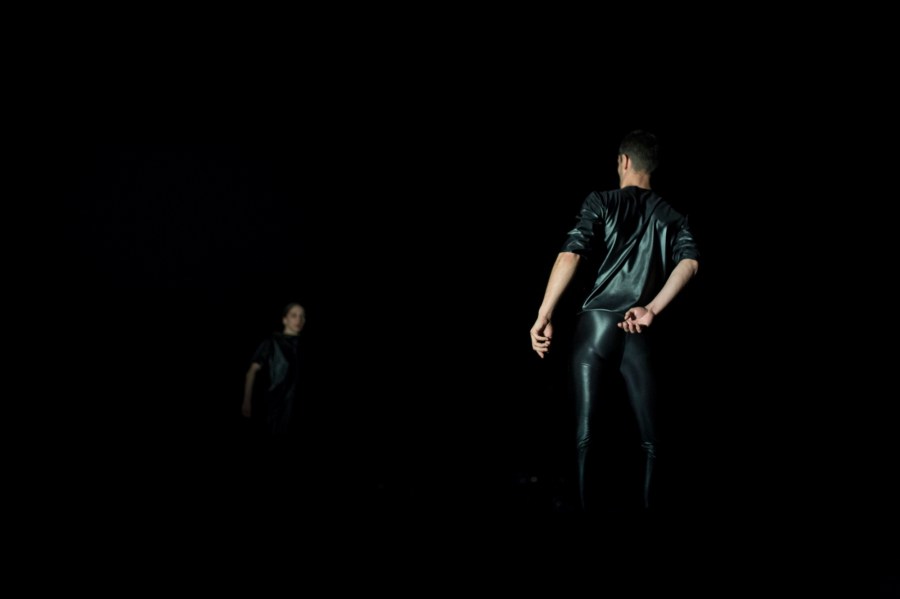
What if too much of too much theater is too verbal?
Continue reading “Thousand Words”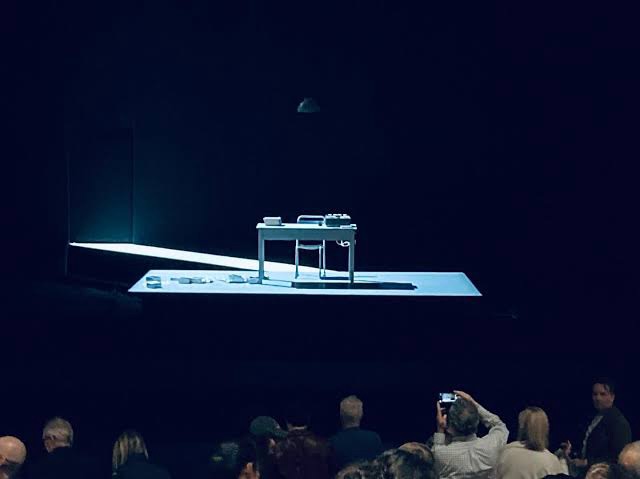
The NYU Skirball Center seems like an unlikely venue for Samuel Beckett’s Krapp’s Last Tape.
Continue reading “Krapp’s Last Space”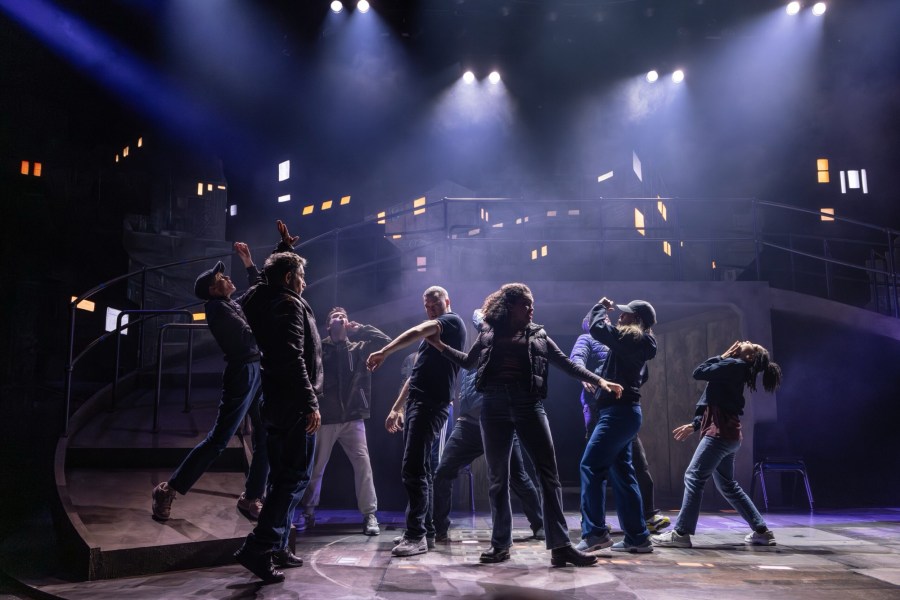
Punch and Urchin can be interpreted as presenting diametrically-opposed arguments regarding the utility of restorative justice.
Continue reading “Restoration”
There are two types of intermissions.
Continue reading “Intermissioning” Write All Nite