The global proliferation of technology has contributed to the 21st century’s documentary boom.
(A boom that’s outlined in the new documentary Subject, which we’ll tackle later this week).
Once upon a time, only a scant few had access to the resources necessary to complete a documentary. But cameras are everywhere nowadays, allowing the previously equipment-disenfranchised to document what was once gatekept.
Which has liberated first-person accounts of war. The 20th century required more sizable film-crews to tread into war zones to document on-the-ground warfare. But in this century, one camera can approximate the work of a last-century crew.
And the results gobsmack, to such a degree that they’ve become staples of Academy Awards consideration. A few examples:
In For Sama — nominated a few years ago — a local Syrian was able to film her country’s devastating civil-war thanks to her cellphone camera.
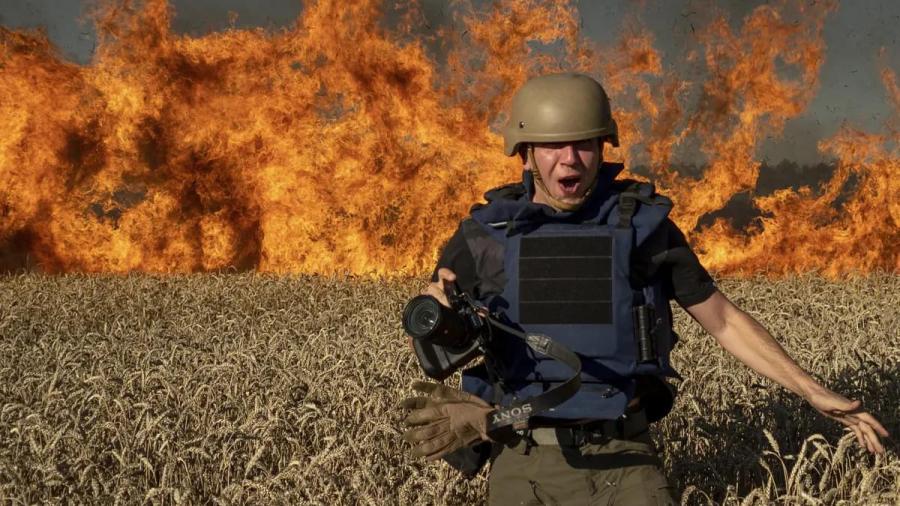
This year’s 20 Days in Mariupol — a major competitor for the prize — swaps out For Sama’s cellphone with a widely-accessible higher-end camera, chronicling the first 20 days of Russia’s ONGOING Ukraine invasion. In the warp-speed of The Technology Age, we can watch a feature-length documentary in theaters about a current war the year after it commences.
Towards this end, both of last year’s shortlisted Retrograde and this year’s contender Bobi Wine: The People’s President follow the daily lives of being-deposed leaders as they navigate the targets placed on their backs IN THE MIDDLE OF a national coup.
 Write All Nite