When you think “stand-up comedy theater”, the Cherry Lane probably comes to mind, a cul-de-sac venue that has cornered the market — er, block? — on shows that mix stand-up comedy and theater.
Continue reading “Stand Up”
When you think “stand-up comedy theater”, the Cherry Lane probably comes to mind, a cul-de-sac venue that has cornered the market — er, block? — on shows that mix stand-up comedy and theater.
Continue reading “Stand Up”
When you walk into JACK for White on White, the “pre”-show has already begun.
Continue reading “Has It Started”
Clubbed Thumb’s production of Angela Hanks’s Bodies They Ritual begins to work its magic on the audience even before the lights dim.
Continue reading “Missing Sense “
If theater is a study of bodies in space, then the medium has so far largely elided studying how Covid’s ultimate iconography fundamentally altered the ways that modern bodies relate to each other.
Continue reading “Tragicomedy”
When Theatre for One’s roving, tête-à-tête box first rolled into the lobby of the Signature Theatre way back in 2016, the programmed micro plays related to each other through little more than their shared means of production.
Continue reading “ReCycling, RePsychling, RePsycheling”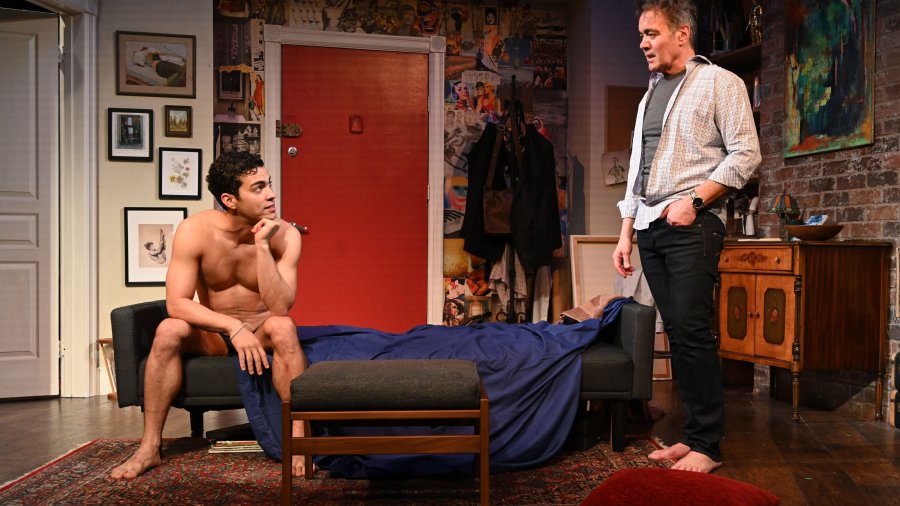
Mr. Parker turns the necessary “evil” of Yondr into a dramaturgical good.
Continue reading “O Yondr, Where Art Thou?”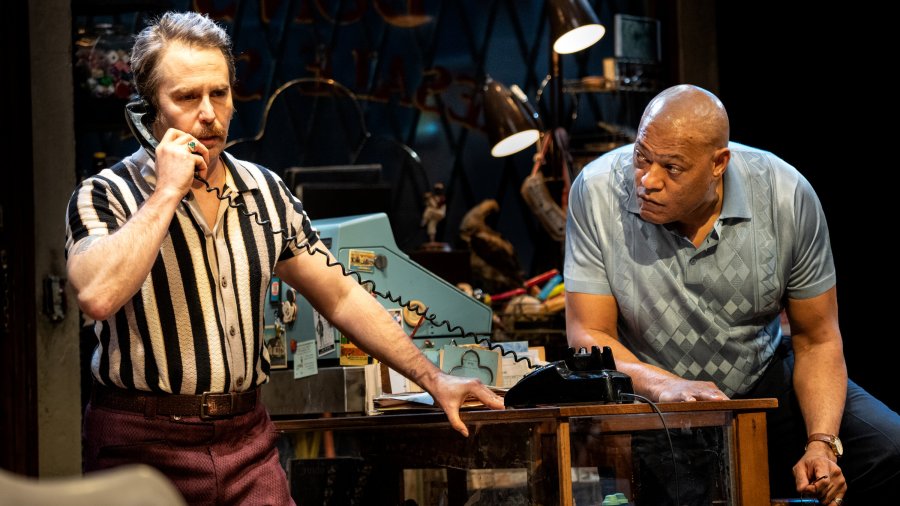
I hereby request that more movies and stage productions subvert how audiences expect to spend their time in a theater.
Continue reading “Durable Durations”
And now, we return to one of Write All Nite’s favorite concepts: deliberately-ineffectual art that serves the art’s ultimate effect.
Continue reading “Who Killed My Distance”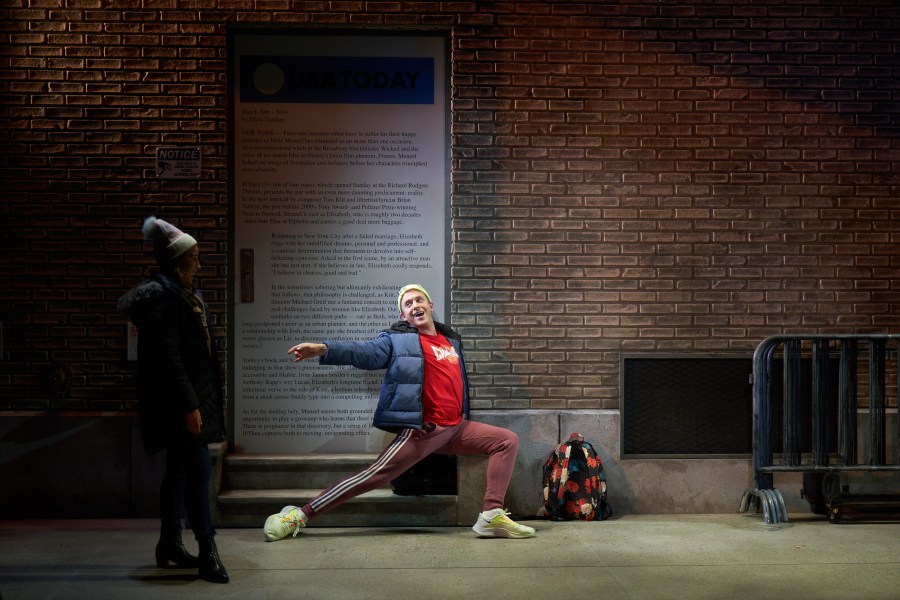
For theater geeks of a certain age, Which Way to the Stage is as reflective as art gets.
Continue reading “Which Way Back to Me”
A musical version of Romeo and Juliet.
Continue reading “Circling the Drain” Write All Nite