Effortless is used as praise to describe performers, especially as they age.
Continue reading “Alive”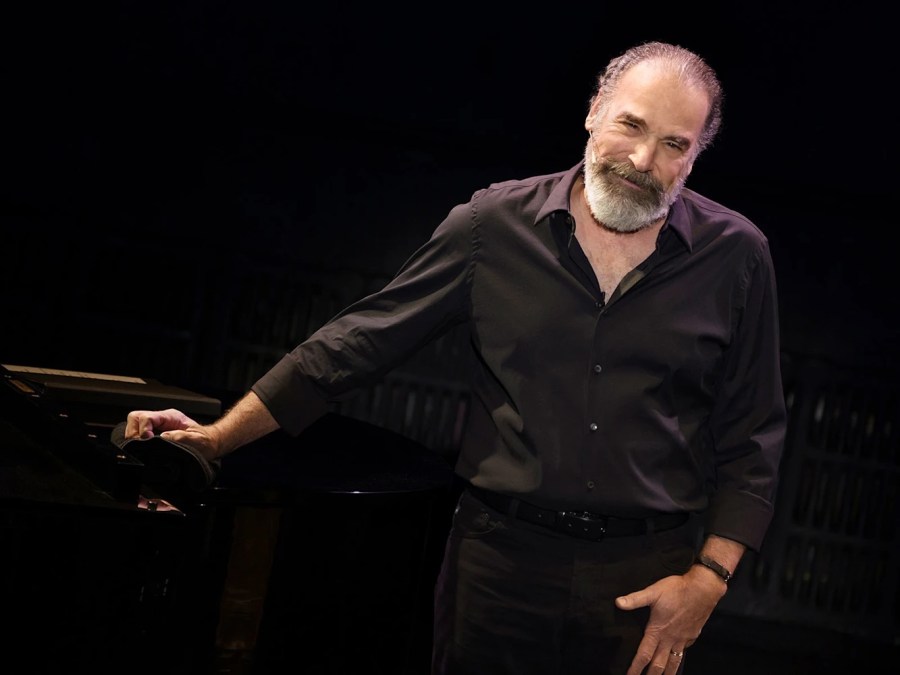
Effortless is used as praise to describe performers, especially as they age.
Continue reading “Alive”
Theatergoers know what a “Clubbed Thumb play” entails.
Continue reading “Designed”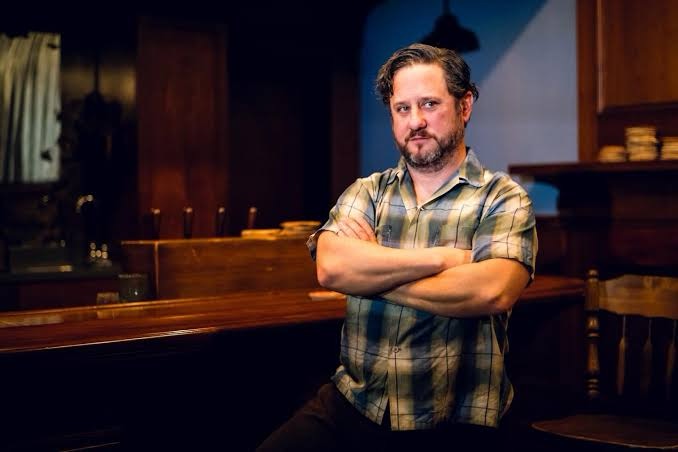
Given the action detailed in the titular protagonist’s story, Conor McPherson’s The Good Thief would seem suited more for the screen than the stage.
Continue reading “IRLand”
Your average theater houses multiple rooms besides the actual house.
Continue reading “Is This a Theater”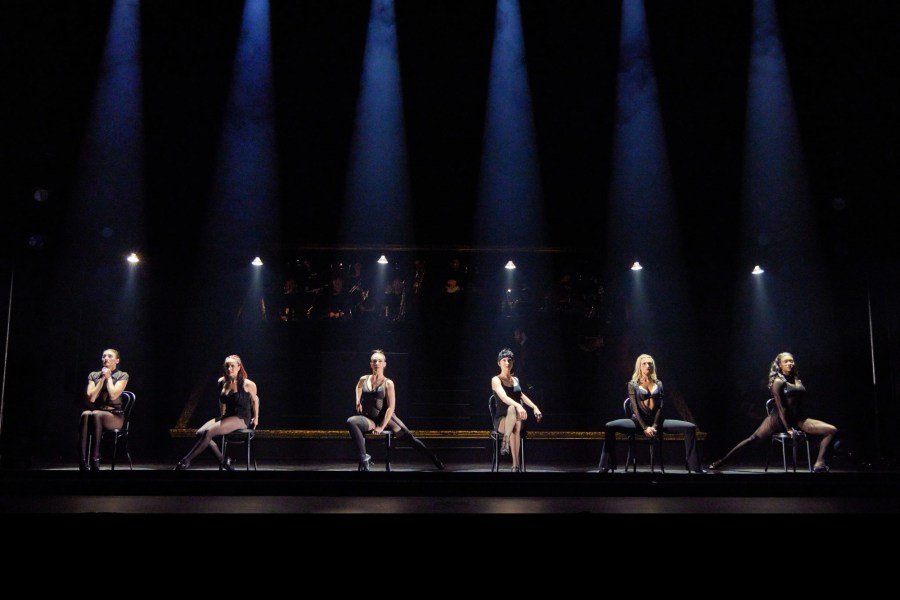
Long-running revivals sell their history.
Continue reading “Jazzier”
Hamnet isn’t 2025’s sole Hamlet-inflected flick.
Continue reading “Sweet Princess”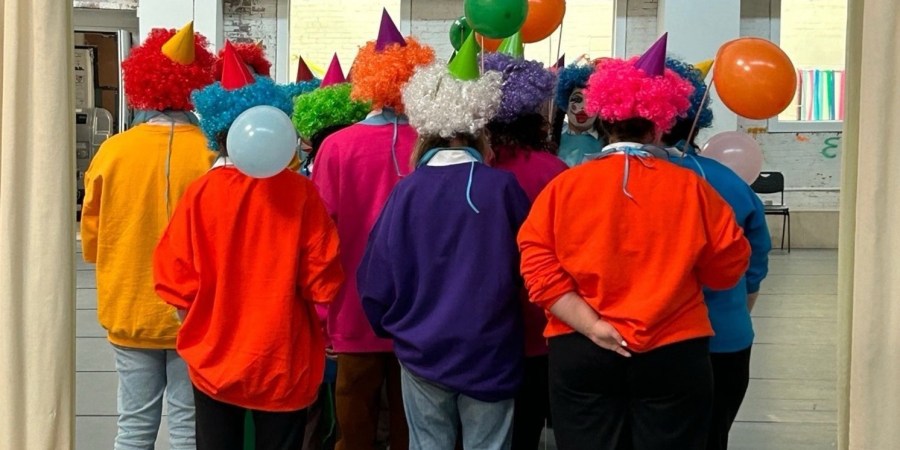
The title is as much exposition as Professional Development provides.
Continue reading “Develop”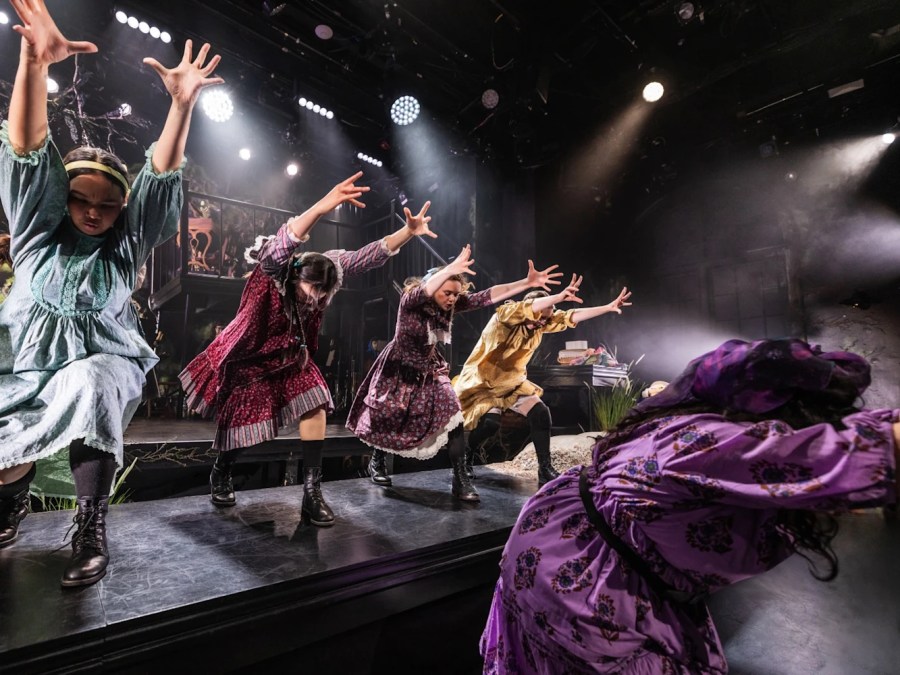
Conventional wisdom labels musicals as a large-stage art form.
Continue reading “Chamber Container”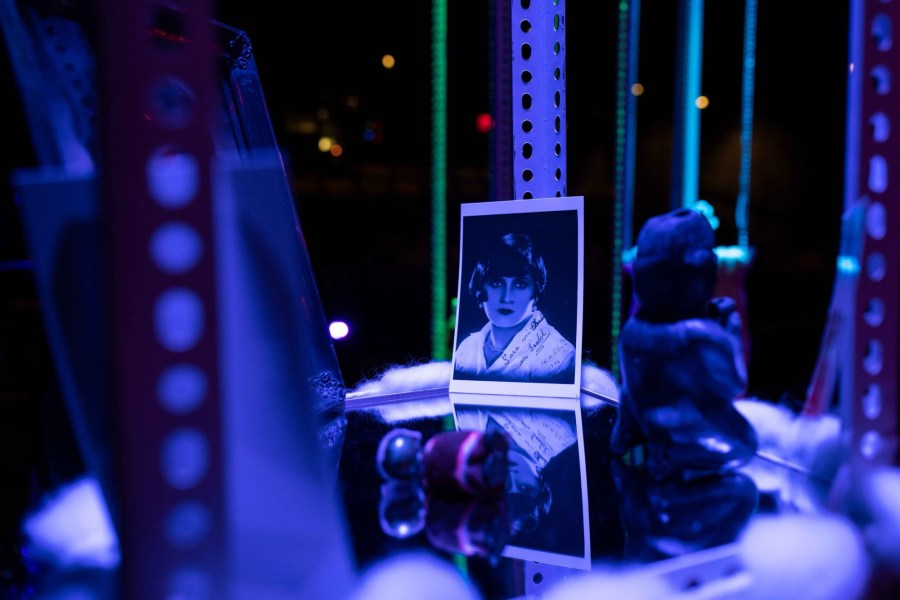
Llontop demands darting eyes.
Continue reading “On Over”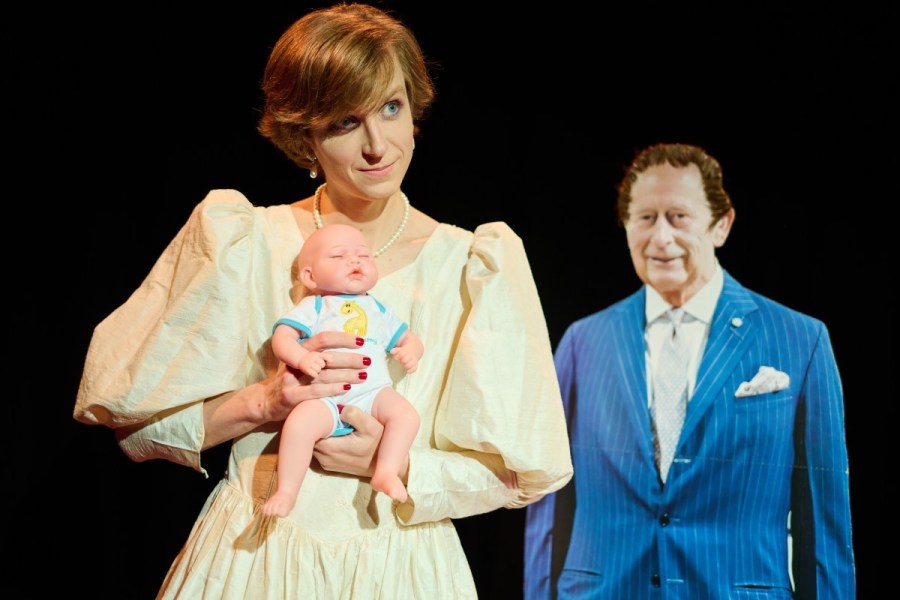
For a variety of reasons, Princess Diana is a gay icon.
Continue reading “This Is How Your People Dance” Write All Nite