Your average theater houses multiple rooms besides the actual house.
Continue reading “Is This a Theater”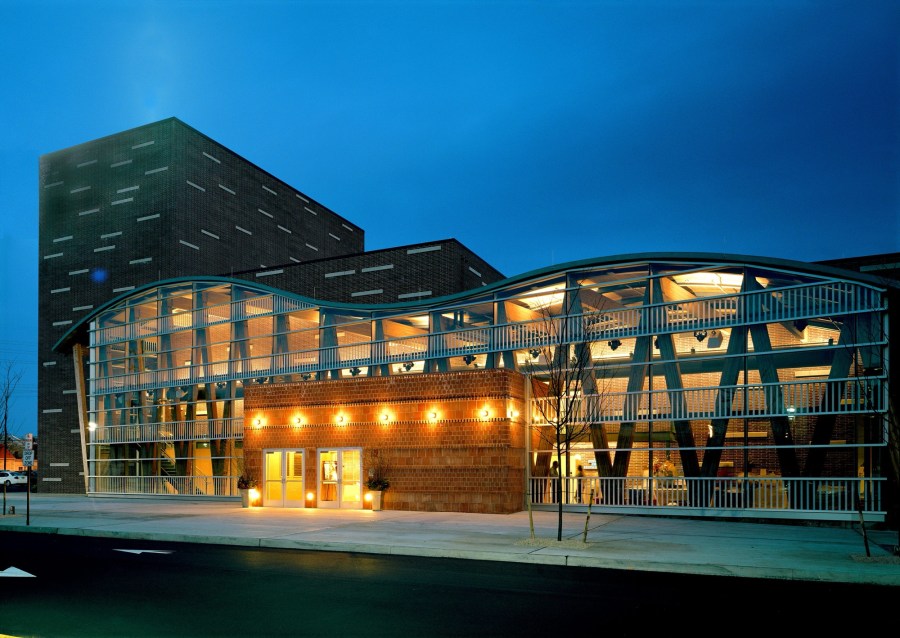
Your average theater houses multiple rooms besides the actual house.
Continue reading “Is This a Theater”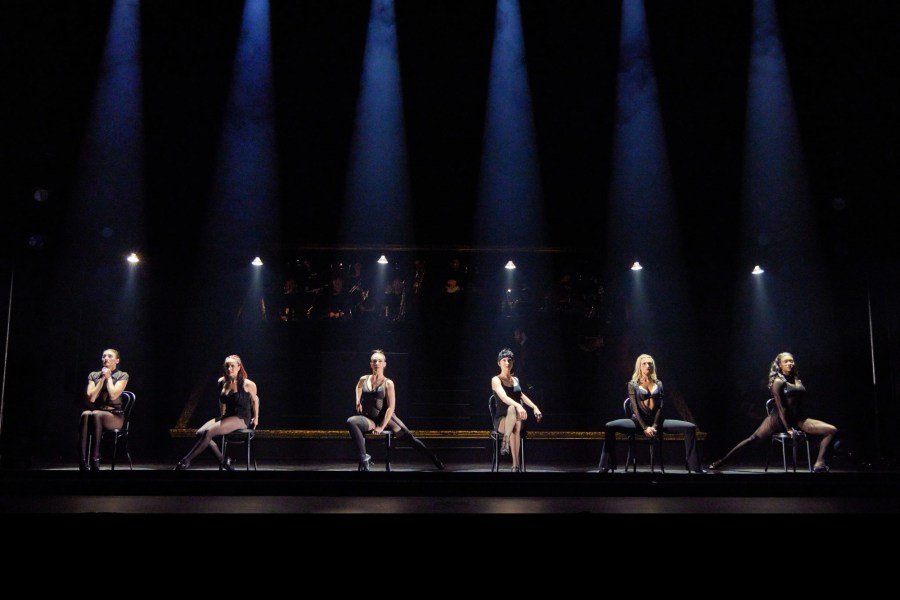
Long-running revivals sell their history.
Continue reading “Jazzier”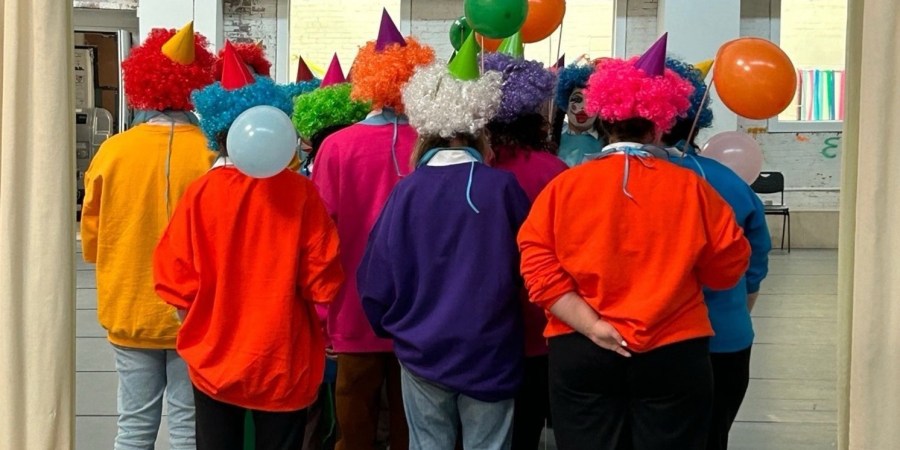
The title is as much exposition as Professional Development provides.
Continue reading “Develop”
Conventional wisdom labels musicals as a large-stage art form.
Continue reading “Chamber Container”
Llontop demands darting eyes.
Continue reading “On Over”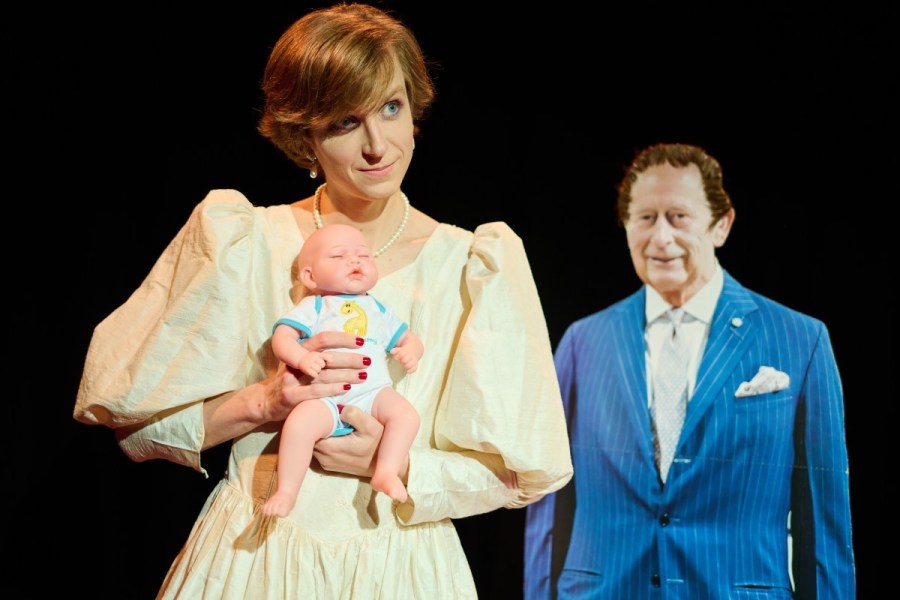
For a variety of reasons, Princess Diana is a gay icon.
Continue reading “This Is How Your People Dance”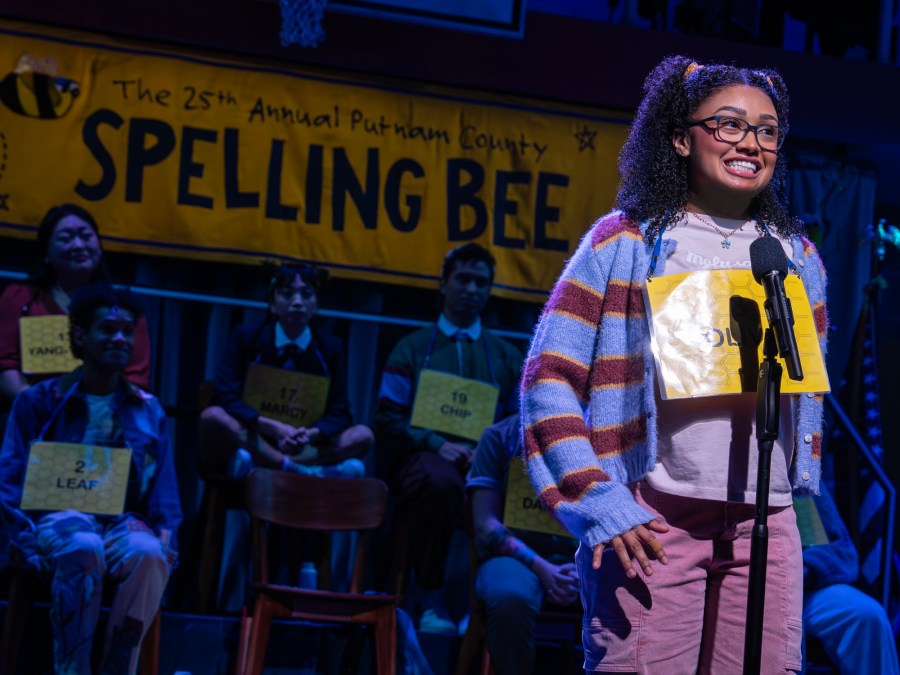
An actor’s natural physique obviously informs their performances.
Continue reading “Embodied”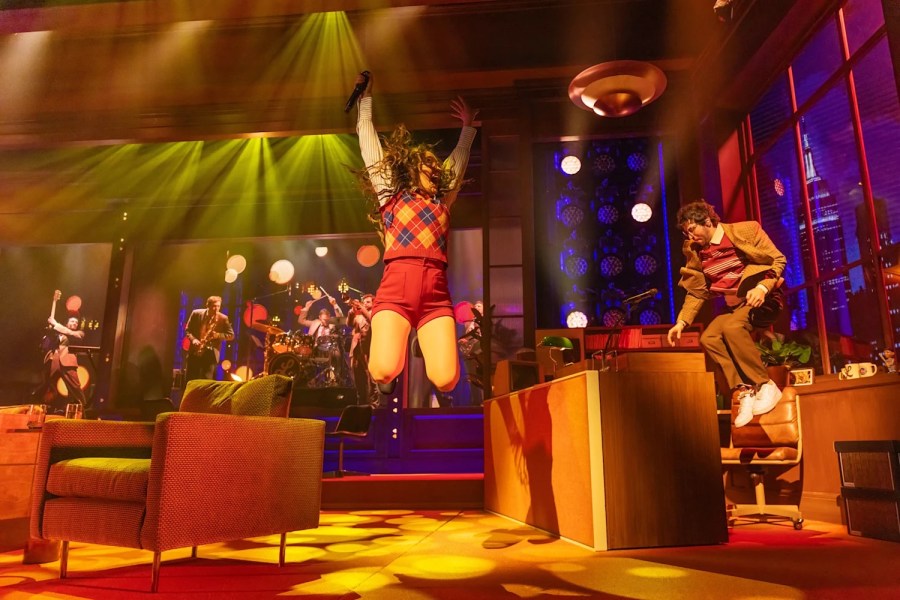
Simon Rich’s All franchise specializes in pulling a fast one on audiences.
Continue reading “All Over”
An initially-confounding staging choice can interpretatively convey a seemingly-essential message of the show.
Continue reading “Everything is Staged”
Magic shows are a theater trend on par with IP parody musicals, stand-up comedy plays, multi-performance staged readings, etceteras.
Continue reading “No You Don’t” Write All Nite