The talking heads documentaries (overly) rely on are not only an artistic problem; they also pose an intellectual hole, because they provide — UNCHECKED — the educational legitimacy upon which the entire enterprise often resides.

The talking heads documentaries (overly) rely on are not only an artistic problem; they also pose an intellectual hole, because they provide — UNCHECKED — the educational legitimacy upon which the entire enterprise often resides.

Walking on Water is like a documentary mashup of Christopher Guest meets The Mad Ones, a portrait of an artist-at-work that doubles as a comedy of both manners and errors, pertaining to how the artistic sausage gets communally, hysterically, ridiculously, absurdly, profoundly, dysfunctionally, maddeningly, impossibly, inconceivably, and humanely (or not) made (or not).

‘Tis the (Oscars) season: time to revisit some of the year’s best pictures.
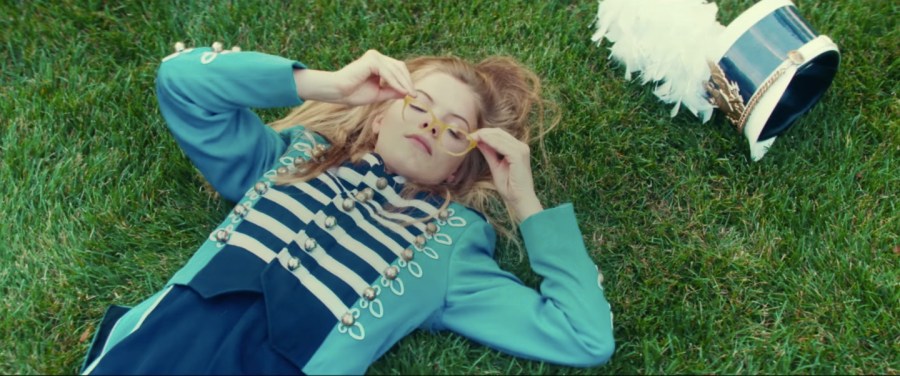
Knives and Skin showcases why horror’s a go-to genre for micro-budgets.

Errol Morris’ American Dharma joins the ranks of the countless profiles regarding Steve Bannon unleashed upon the world since he exploited Trump right into the White House.
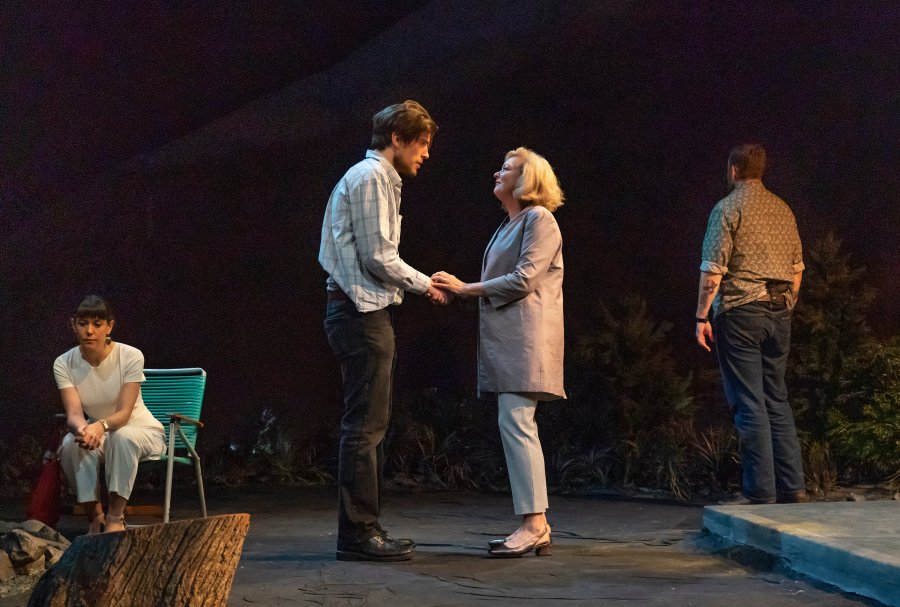
We interrupt this Betrayal broadcast for a digression on plays related to the polemical dramas we discussed Monday.
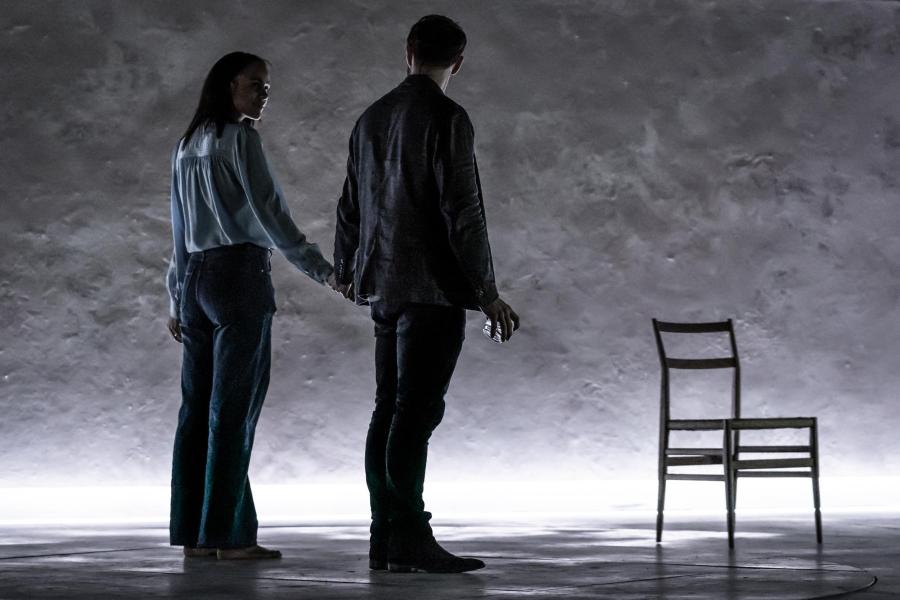
I’ve been thinking a lot about the difference between a playwright’s voice and a play’s voice.
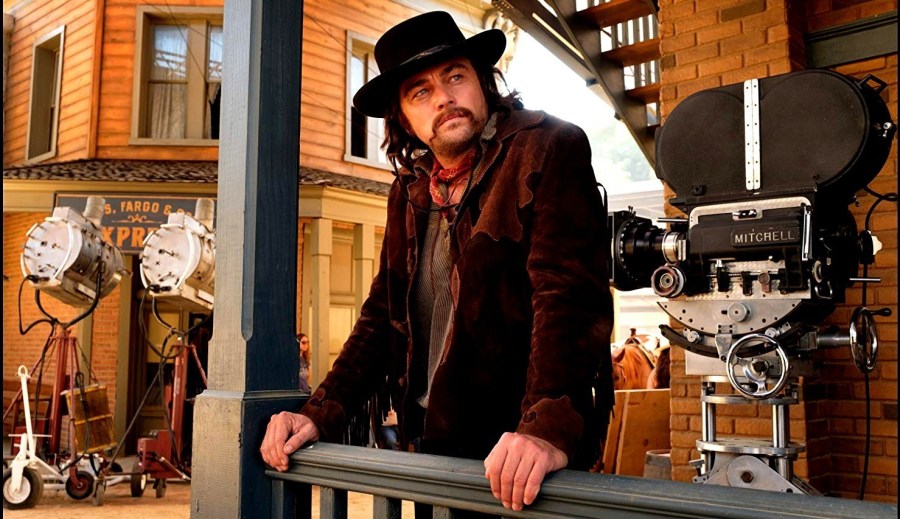
A clip-showish article for a clip-showish movie:

To continue — and to further complicate (hopefully) — Monday’s conversation concerning the treatment of morality in Harold Pinter’s Betrayal and Quentin Tarantino’s Once Upon a Time … in Hollywood:
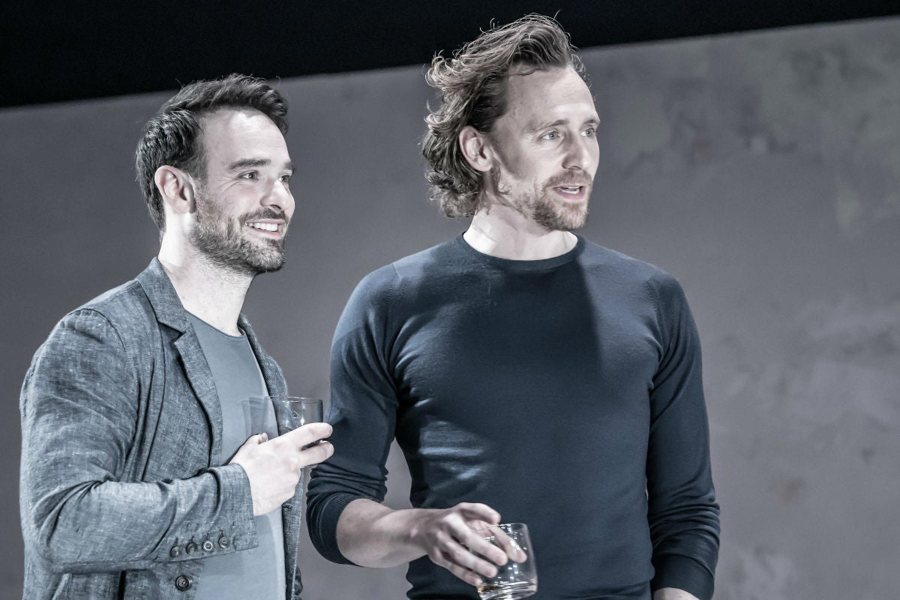
Welcome to BETRAYED!, a week’s worth of diatribes inspired by the current Broadway revival of Harold Pinter’s Betrayal.
 Write All Nite