I enjoyed The Post way more than expected.
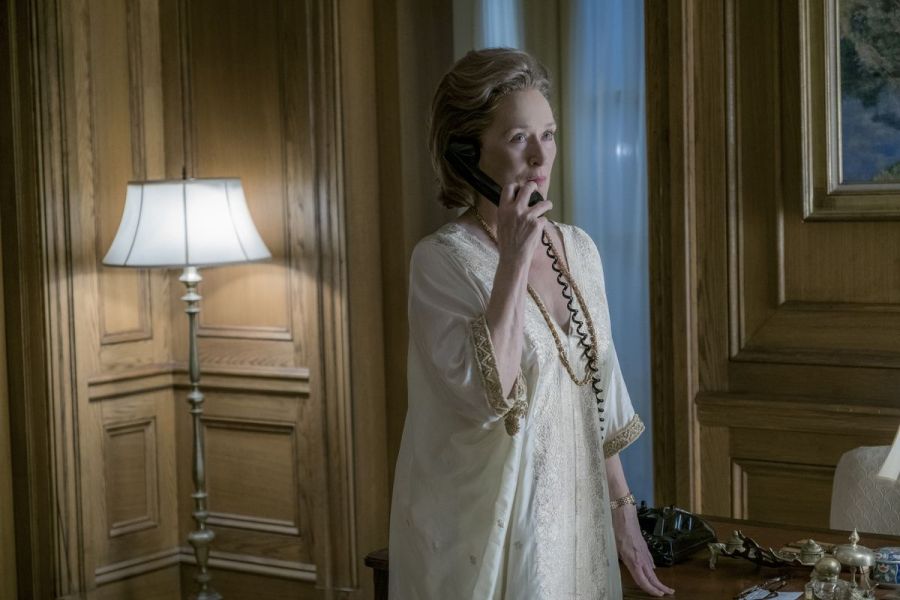
I enjoyed The Post way more than expected.

Last week, I ended my review of The Greatest Showman with this sentiment:
And now, for some more double features:
Continue reading “Double Features! The Sequel!! (now with a triple-feature included!!!)”

In my review of The Greatest Showman, I included this aside regarding Hugh Jackman:
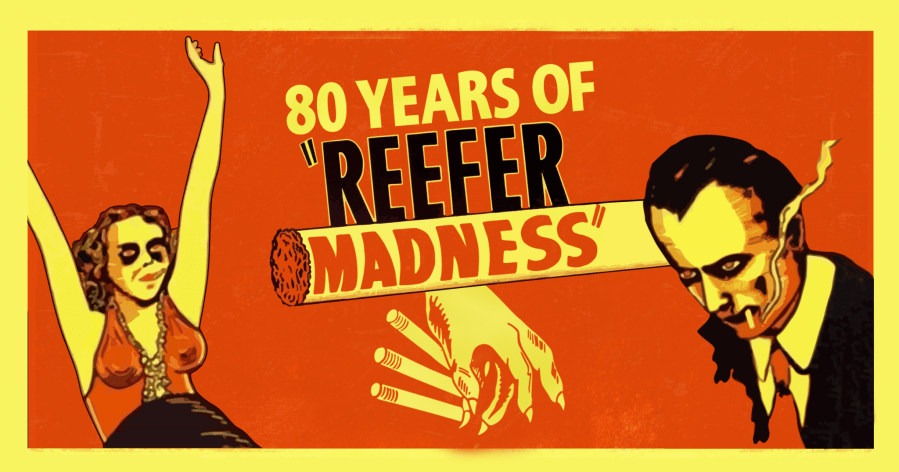
In response to my first formal Weed in Art piece, an anonymous commenter brought up the classic Reefer Madness, a borderline-propagandist short film from the 1930s that schools screened for students OVER DECADES, many of whose views were dictated by this now-hilariously over-the-top anti-drug PSA. Continue reading “Weed in Art 2018: An Insecure Defense”

Write All Nite‘s 2018 New Year’s resolution: evaluate how marijuana is depicted in movies and theatre. For instance, I’ll praise portrayals that view smoking weed as a cognitive stimulant, and I’ll lambast those that regurgitate tired tropes about stoners. Light one up, baby!
Continue reading “Weed in Art 2018: IN BETWEEN (Maysaloun Hamoud)”
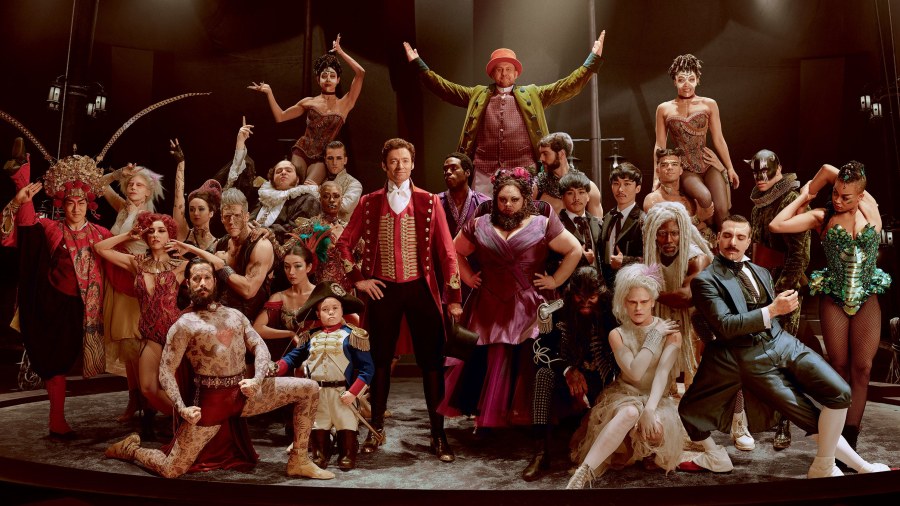
Starting a review of the relentlessly fluffy The Greatest Showman with a topic as serious as authorial intent may be unexpected, but that’s kind of the point:
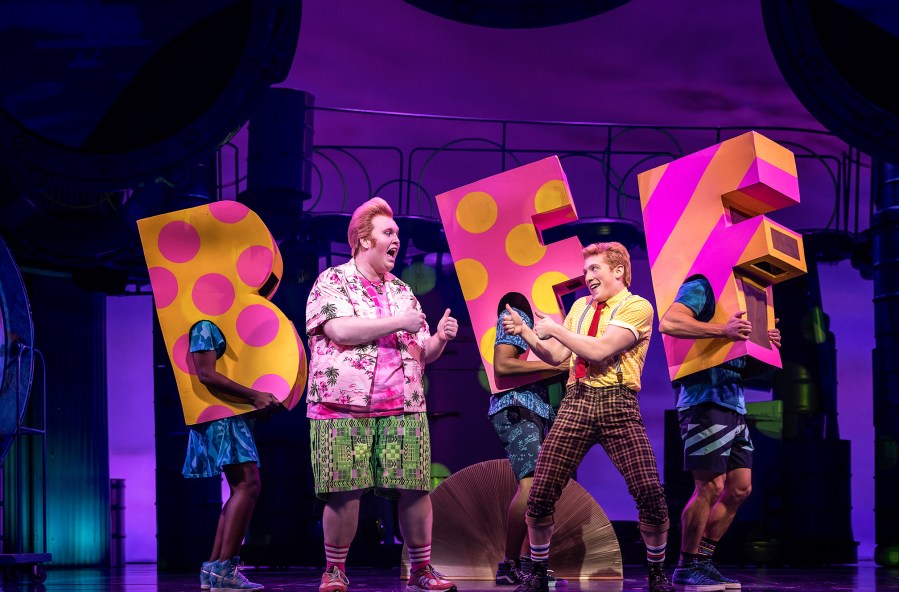
Sometimes fascinating failures inspire more thoughts to explore than straightforward successes. Such is the case for the SpongeBob SquarePants Broadway musical, a show that indirectly touches upon a wide range of subjects regarding the state of theatre (and other topics). In the coming days, I’ll excavate some of these ideas in a series dubbed The SpongeBob SquarePapers:
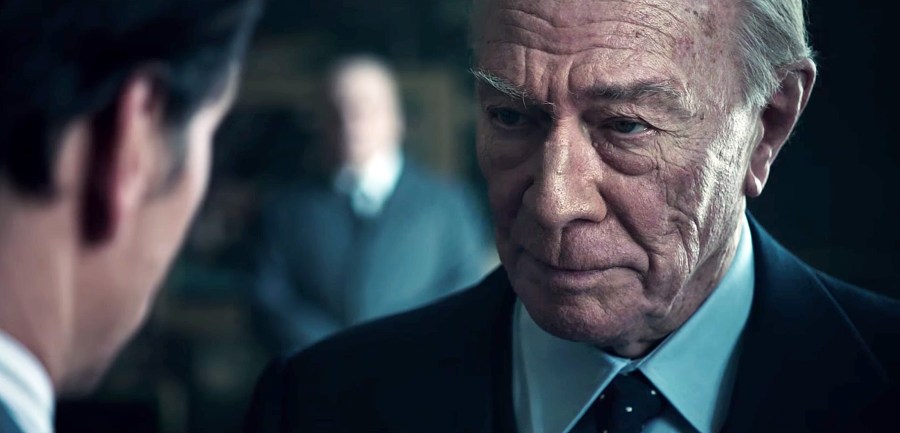
How can Ridley Scott clown on Blade Runner 2049 for being too long when his All the Money in the World is also too long?
Continue reading “ALL THE MONEY IN THE WORLD (Ridley Scott)”
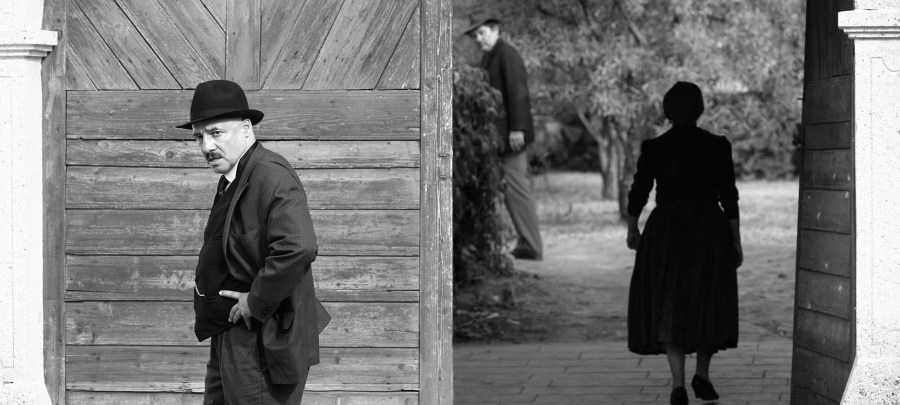
A Jewish family returning at the end of World War II to their home village that handed them over to the Nazis is not the type of story one would expect to be given the western treatment.
 Write All Nite